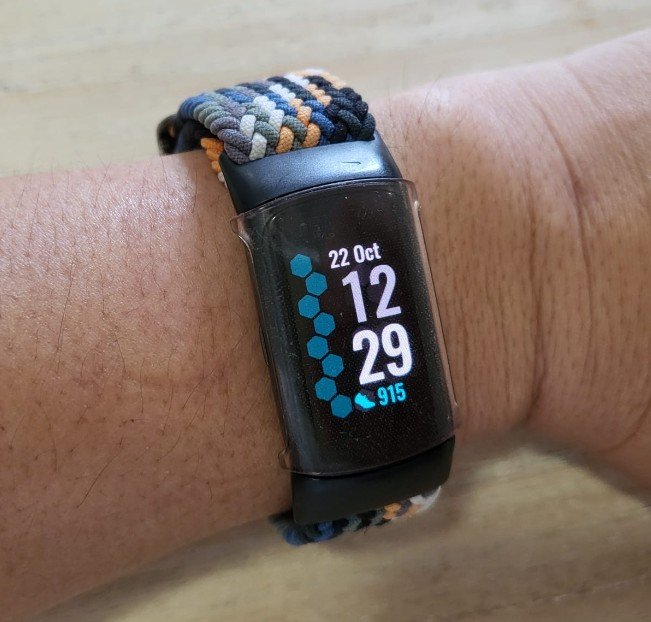
One of discussion amongst runners are “what smart watch do you actually wear?”. My answer is the Google Fitbit Charge 6, and it’s not particularly close. I’ve tried on the Galaxy Watch 6 Classic and the Apple Watch at various points — both impressive pieces of hardware — but I would still prefer the Fitbit. Here’s why.
The Contenders
Google Fitbit Charge 6 — a slim fitness band rather than a full smartwatch. Built-in GPS, sleep score, heart rate and SpO2 tracking, 40+ exercise modes, 5 ATM water resistance, and a battery that’s rated for up to 7 days.
Samsung Galaxy Watch 6 Classic — a proper smartwatch with the rotating bezel Samsung brought back, Wear OS, a bigger display, apps, notifications, contactless payment, and a battery rated around 30–40 hours depending on whether the always-on display is enabled.
Apple Watch — the most feature-packed of the three if you’re in the Apple ecosystem: apps, ECG, cellular options, tight iPhone integration. Battery life sits around 18 hours of typical use, so it’s realistically a daily-charge device.
Why Battery Life Decided It for Me
Simply, this is the biggest reason I prefer Fitbit over all, can’t get past. The Fitbit’s 7-day battery life isn’t just “better” than the other two — it’s on a completely different scale. both Samsung Galaxy Watch and The Apple Watch needs charging basically every single day.
Even when it does need topping up, I don’t actually have to set aside time for it. I just plug it in whenever I’m driving somewhere — a 30-minute to an hour drive is more than enough to get it back to full. No sitting by the charger waiting, no remembering to charge it overnight. the charger stays in the car.
For someone training consistently — Parkrun most Saturdays, runs through the week, sleep tracked every night — a device I have to think about charging daily is a device I’ll eventually stop wearing to bed, which means losing sleep data, which was one of the main reasons I wanted a tracker in the first place. The Fitbit just stays on my wrist and keeps working.
The Smartwatch Features I Actually Never Used
Both the Galaxy Watch and the Apple Watch do a lot more than the Fitbit — apps, bigger screens, more notifications, cellular connectivity, a rotating bezel that’s genuinely satisfying to use. I’m not pretending the Fitbit competes with them feature-for-feature. It doesn’t.
But when I was honest with myself about what I was actually using day to day, it came down to three things:
- Running app integration — I need my tracker to talk to my running app without friction, log GPS routes, and sync automatically.
- Sleep pattern analysis — this is the feature I check almost every morning, especially since my plantar fasciitis started and sleep quality has mattered more to my recovery.
- Waterproofing — I don’t want to think about taking it off for a shower or getting caught in the rain mid-run.
That’s it. Everything else — the apps, the payments, the bigger display — sat unused on my wrist when I tried the other two. So I was paying for a lot of capability I never touched.
My Honest Take
If you want a genuine smartwatch experience — apps, notifications, a screen you’ll actually use for more than your stats. and even just for a look, the Galaxy Watch or Apple Watch are the better choice, and I get why people love them. come on, it is da Apple Watch.
But if you’ve already been through one or two smartwatches, like I have, and found yourself not really using most of what they offer, I’d strongly recommend trying out the Fitbit Charge. That’s exactly where I landed. After going through the Galaxy Watch 6 Classic and the Apple Watch, I realised I kept coming back to the same things — running integration, sleep tracking and desire of waterproofing — and ignoring everything else those watches were trying to sell me. The Fitbit works precisely because it only focuses on what you actually need, instead of bundling in a dozen features that end up sitting unused on your wrist.
For me, the satisfactory solution is made.
One More Tip: Skip the Genuine Straps
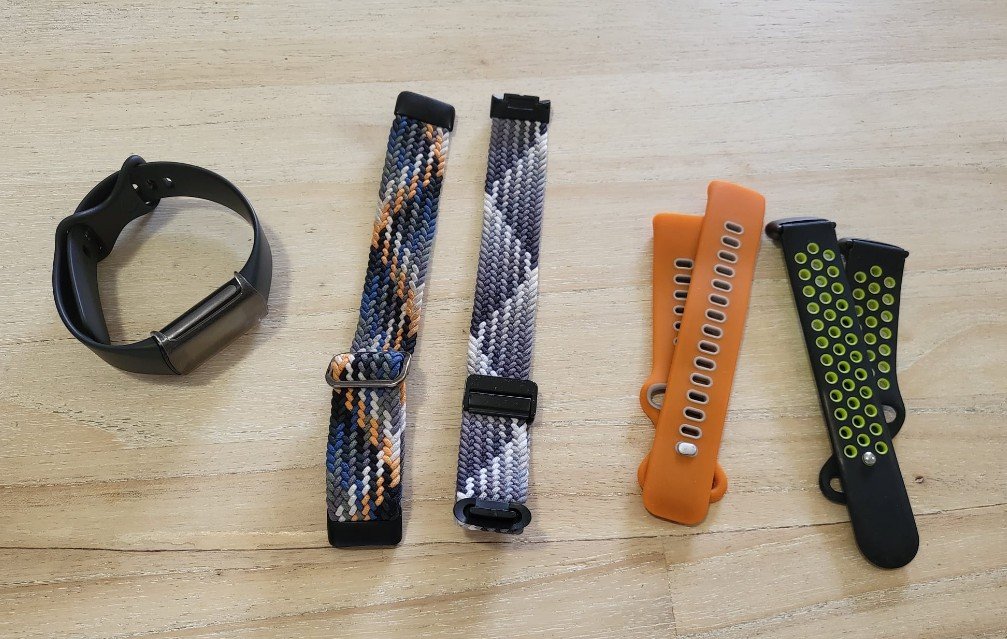
shhh, Just between you and me. Samsung and Apple will hate me saying this.
Who actually buys genuine manufacturer straps these days? I don’t. I pick up a half dozen from AliExpress for a fraction of the official price and just rotate through them — different colours, different days, no guilt about wearing one out. Works exactly the same as the brand-name version, costs a fraction as much. If you’re buying a smart watch regardless the brand, go and get a bunch of straps fits your sense to satisfactory.