Before I ever laced up for my first Parkrun, I had no idea what I was walking into. If you’re in the same spot I was in back in January 2024, here’s everything I wish someone had explained to me first.
What Parkrun Actually Is
Parkrun is a free, weekly 5km event held every Saturday morning in local parks. It started with a single event in London back in 2004, and has since grown into something held at more than 2,500 locations across 22 countries — including over 540 locations here in Australia, with more than one million Australians having taken part.
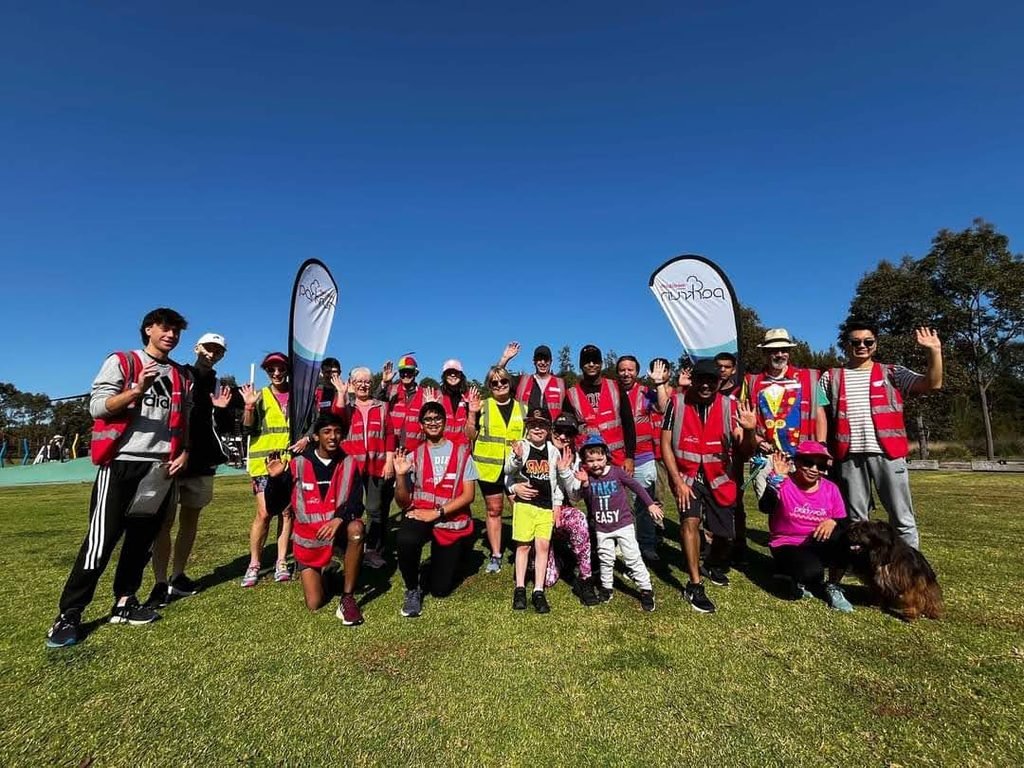
Every single one of these events is run entirely by local volunteers — there’s no paid staff involved anywhere. People take turns marshalling the course, scanning barcodes at the finish line, timekeeping, or handing out finish tokens. It’s genuinely community-powered from top to bottom, which probably explains why it feels so different from a typical organised race.
It’s important to say this clearly: Parkrun is not a race. There’s no time limit, no minimum pace, and no one ever finishes last — because every event has a volunteer “Tail Walker” whose job is to walk at the very back, behind every single participant. You can run it, jog it, walk it, or do a mix of all three, exactly like I did on my first attempt.
How to Get Started: Registration and Your Barcode
Before your first Parkrun, you need to register online — it only takes a couple of minutes, and you only ever do it once:
- Go to parkrun.com.au and find the registration page
- Fill in your basic details
- Check your email for a confirmation message containing your personal barcode
- Print it out, or save it to your phone
This barcode is genuinely your passport to every Parkrun in the world, forever. Once you’re registered, you never need to register again — even if you move cities or travel overseas, the same barcode works everywhere.
On the day, bring your barcode with you. Parkrun runs on a strict “no barcode, no time” policy — after you cross the finish line, a volunteer hands you a small token, and another volunteer scans both your token and your barcode. That’s how your time gets recorded. No barcode simply means no result, so it’s worth keeping a photo of it saved on your phone as a backup.
Finding a Parkrun Near You
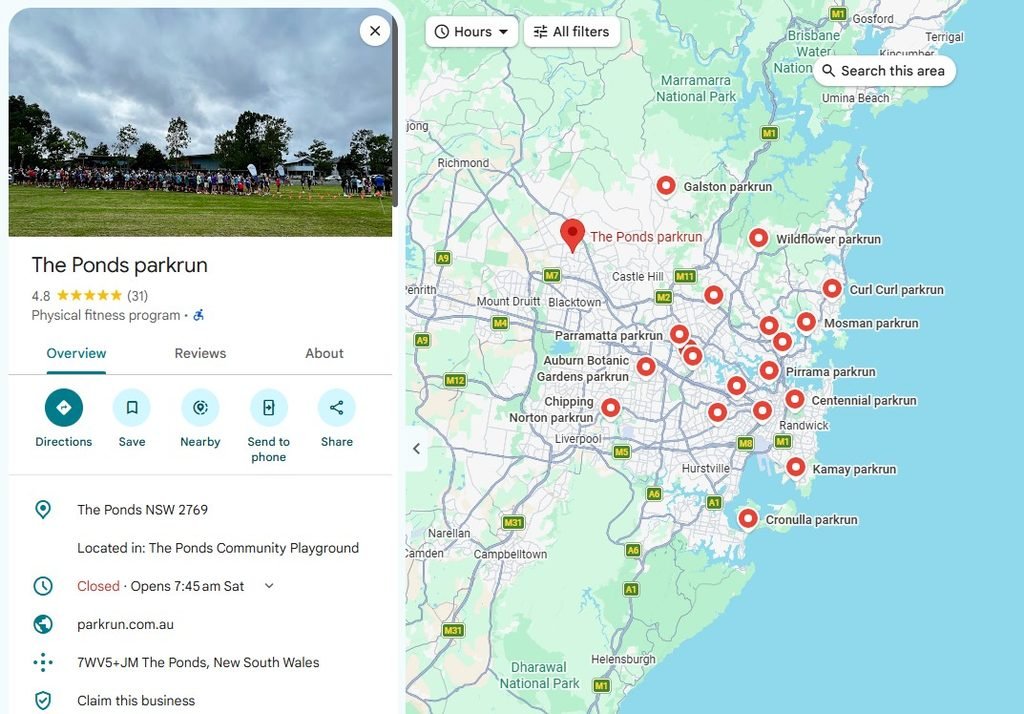
One thing I’d genuinely recommend before picking a course: not all Parkruns are the same. Some are flat and beginner-friendly (like The Ponds, where I started), others have hills that can be genuinely tough if you’re just starting out.
The easiest way to check what’s near you — and what the course looks like — is to open Google Maps and search “Parkrun”. It’ll show you every location nearby, along with reviews and photos from other runners that usually give a good sense of the terrain before you commit to one.
Why It’s Worth Trying, Whatever Your Age
I was in my mid-forties, well out of shape, and walked more of my first Parkrun than I ran. None of that mattered. What mattered was showing up. If you’re on the fence, my honest advice is the same thing a friend once told me: don’t worry about pace or distance at first — just get out there, and let everything else follow.